Make your SX-70 use the incompatible Polaroid 600 film without any modifications, accessories, or even touching the exposure dial.
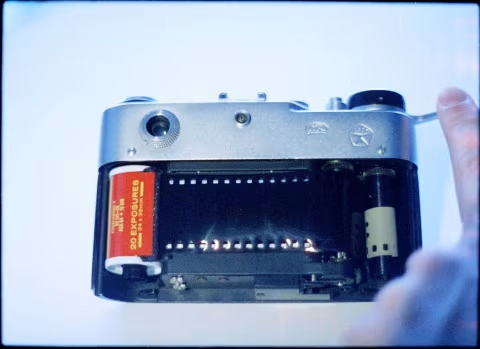
Developing colour-negative film has a lot of steps, but it’s surprisingly easy to get good results, especially when you got the right tools.
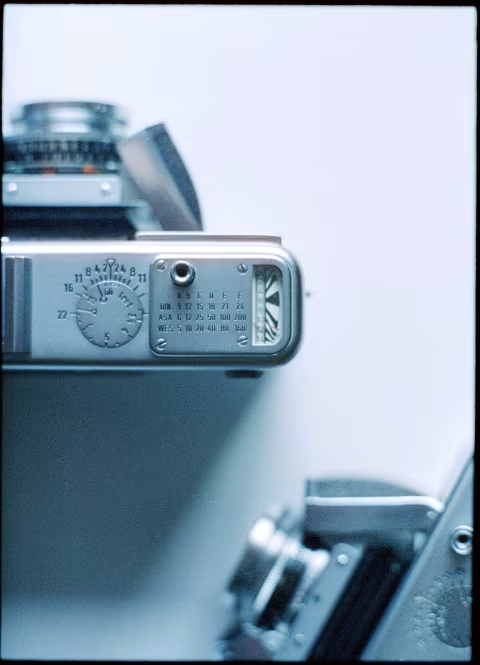
A guide to using — and choosing between five light meter types (inc. free apps and built-in meters).
Preserve your scans, create better images, and backup your physical negatives using this simple technique.
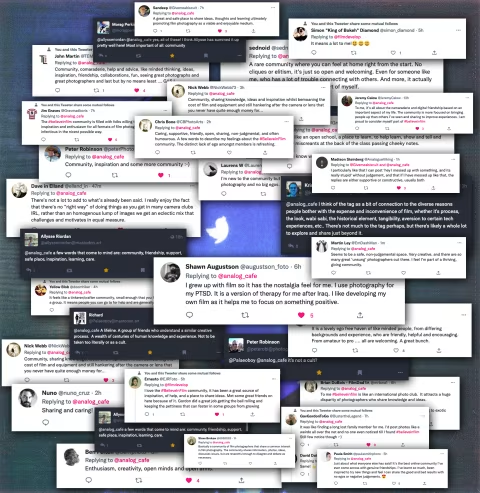
A guide to the genuinely open online community for film photographers.
A list of film photography websites I regularly seek out. I recommend you visit them at least once.
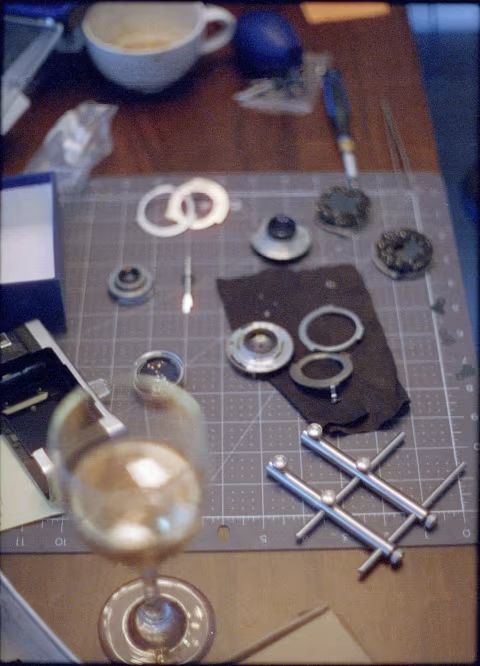
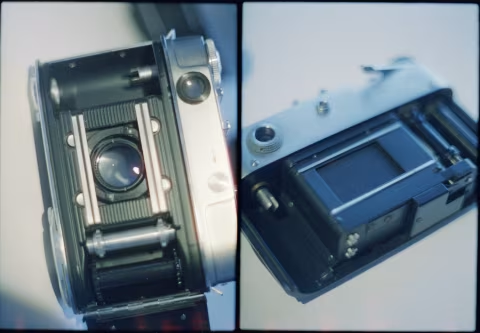
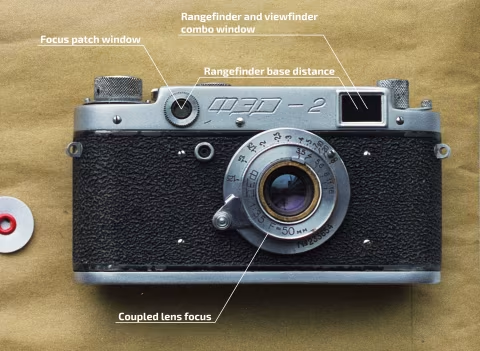
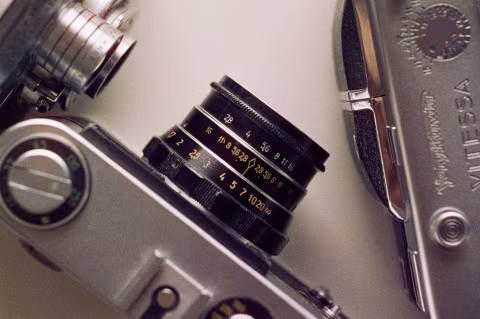
How to adjust the rangefinder, fix film transport, and other maintenance tips for this notoriously challenging mechanical camera.
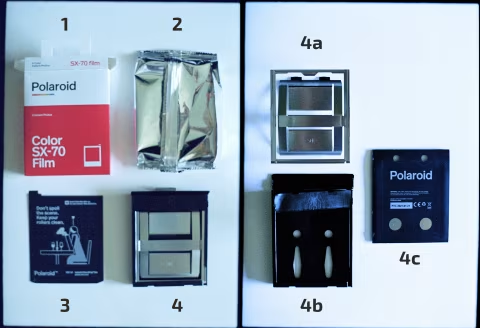
Polaroid film is made of hundreds of components. As a whole, it does not belong in a blue bin. But thankfully, used Polaroid film packs are easy to take apart and recycle (depending on your local facilities).
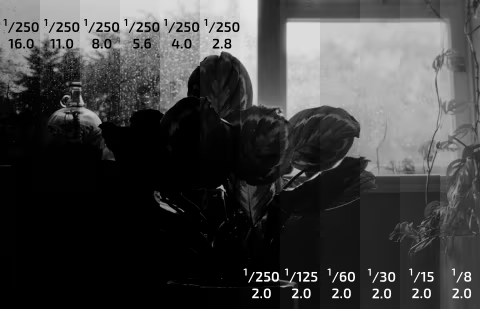
A guide to perfecting exposures. It covers advice for both manual and point-and-shoot film cameras.
This short article will help you understand two key concepts in photography: stops and EVs. You will also learn how to apply them.
If you’re just starting your film photography journey — whether a seasoned digital shooter or a newbie to the camera world — this short guide will help you hit the ground running.
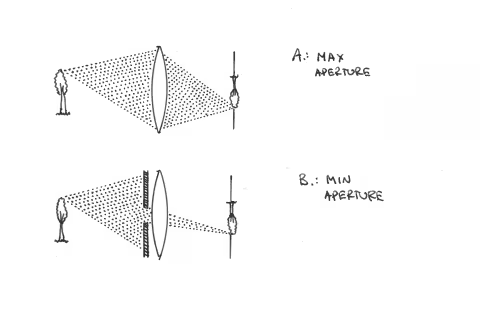
A complete guide to aperture's effects on exposure, calculating f-stops, bokeh, aberrations, diffractions, and more.
The inner workings of the two major shutter designs, their benefits/drawbacks, and how they may affect your photos.
The benefits and drawbacks of participating in NFT marketplaces for film photographers — explained.
Learn everything about this iconic film camera design. Definitions, types, features, mechanics, shooting, repair, and purchase advice.
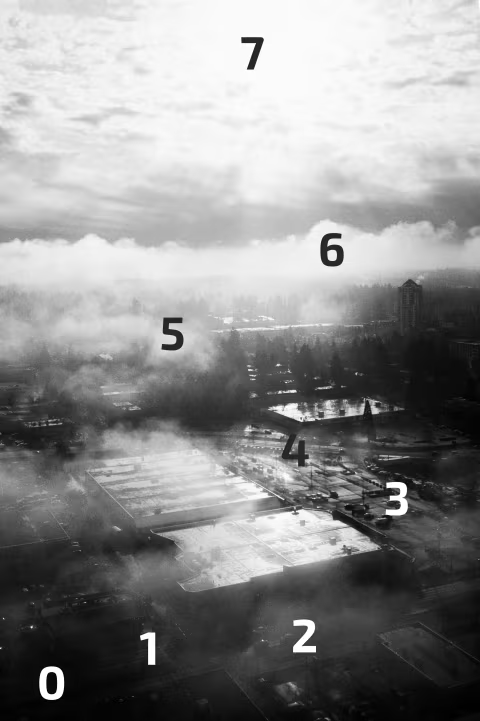
Understand your film’s dynamic range, improve your images and master the contrast. Learn about film characteristic curves, film density and more.
Zone focusing is a powerful technique that can help you be faster, more confident with your camera and take better shots in subdued light.
You can improve the quality of your scans drastically with this technique. Better than Digital Ice.
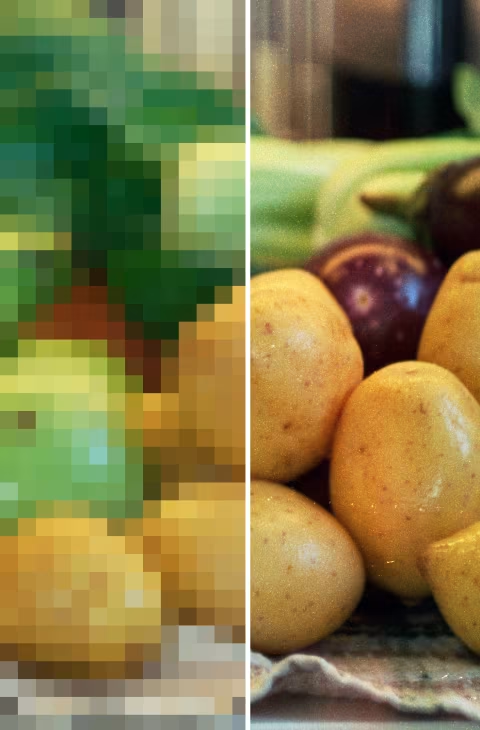
Get the optimal resolution for scanning 35mm, 120, and large format film for the Web, print, and archiving.
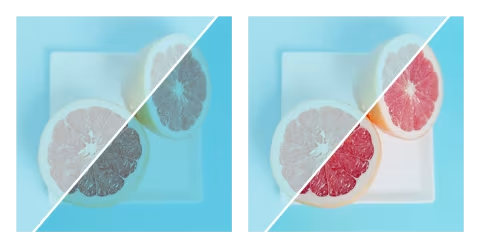
This guide will demonstrate and explain a simple, reliable method for making high-quality positives from scanned colour film negatives.